

.png)
Meta–Corning $6B Fiber Deal Signals Connectivity as a Strategic AI Bottleneck
Published: 2.3.2026
Key takeaways
- Multiyear deal “up to $6B,” with Corning supplying fiber, cable, and connectivity solutions for Meta’s U.S. data centers.
- Corning plans North Carolina expansion, including Hickory, where Meta is positioned as an anchor customer.
- AI-era scaling is pushing interconnect into the category of strategic capacity planning.
Meta Platforms and Corning Incorporated announced a multiyear agreement worth up to $6 billion, with Corning supplying next-generation optical fiber, optical cable, and connectivity solutions for Meta’s U.S. data center expansion. Some outlets have reported the agreement runs through 2030, though the companies have not published full commercial terms.
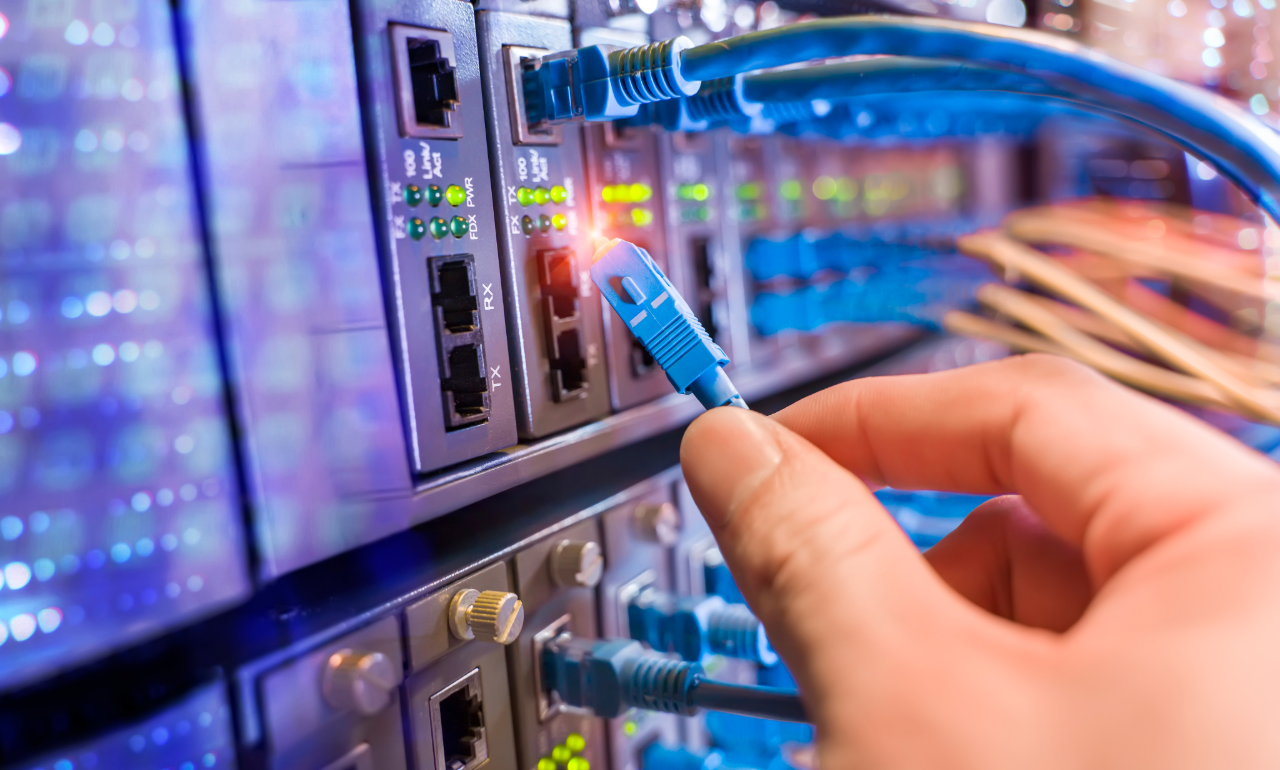
Under the agreement, Corning will provide next-generation optical fiber, optical cable, and connectivity solutions designed to meet the density and scale demands of Meta’s expanding U.S. data center footprint, supporting the company’s apps, emerging AI products, and future technologies.
Hyperscalers are treating cable, fiber capacity, and connectivity hardware as strategic assets in their infrastructure stack, similar to reserved power capacity and advanced cooling systems.
Manufacturing Expansion Centers on North Carolina
To meet the scale of Meta’s demand, Corning will expand manufacturing across its North Carolina operations, with a major capacity build-out centered on its optical cable facility in Hickory, NC, where Meta will act as the anchor customer. The expansion also extends to Corning’s broader regional footprint, reinforcing North Carolina as a critical hub for U.S. data-center connectivity manufacturing.
Corning also states the agreement is expected to support 15%–20% employment growth in North Carolina, sustaining a workforce of 5,000+ in the state (some local coverage has translated that into up to 1,000 additional roles, based on the stated baseline).
Corning CEO Wendell P. Weeks positioned the deal as a long-term commitment to U.S.-based innovation and production, noting that, “This long-term partnership with Meta reflects Corning’s commitment to develop, innovate, and manufacture the critical technologies that power next-generation data centers here in the U.S.”
Meta framed the agreement in similarly strategic terms. Joel Kaplan, Meta’s Chief Global Affairs Officer, emphasized that next-generation AI infrastructure depends as much on supply-chain reliability as on compute, stating, “Building the most advanced data centers in the U.S. requires world-class partners and American manufacturing. We’re proud to partner with Corning to deliver the high-performance fiber optic cables our AI infrastructure requires.”
Why Meta is Locking in Fiber Now
This deal reflects a shift in how infrastructure bottlenecks are viewed within hyperscale computing. Traditionally, compute (GPUs, CPUs) and storage dominated discussions about constraints; now network bandwidth and fiber capacity are emerging as the next critical frontier.
AI-optimized architectures rely heavily on high-density optical interconnectivity, especially east–west bandwidth inside data halls, to ensure that massive clusters of GPUs, storage arrays, and switching fabrics can communicate efficiently without bottlenecks.
In some reports, fiber demand for AI data centers has been described as more than 10× that of traditional data centers, driven by requirements for low-latency, high-throughput links between thousands of GPU ports.
Why this Matters to the Broader Electronics Supply Chain
By locking in a long-term connectivity agreement, Meta is effectively treating optical fiber as a reserved infrastructure input, on par with power availability, cooling capacity, and rack-level hardware. Embedding fiber supply into multi-year capital planning reduces exposure to build-cycle volatility, mitigates the risk of last-minute shortages, and shifts procurement away from unpredictable spot markets toward secured, pre-allocated capacity.
The move also raises the bar for other hyperscalers. As AI data-center builds accelerate, peers such as Google, Microsoft, AWS, and emerging AI-first operators may be compelled to pursue similar long-term fiber and connectivity partnerships, or directly support manufacturing expansion, to avoid becoming constrained by the same physical bottlenecks. In that sense, fiber is becoming a competitive differentiator as well.
Beyond direct job creation, the ripple effects extend across the electronics and infrastructure ecosystem. Greater domestic fiber capacity supports upstream materials suppliers and downstream sectors alike, from telecommunications deployment and optical networking equipment to data-center construction, integration, and commissioning services. As AI workloads scale, the ability to move data reliably and at low latency is turning physical connectivity into a strategic lever across the entire supply chain.


