

.png)
Trump Threatens New 100% Tariff on Chinese Imports
Published: 10.22.2025
The trade tension between the United States and China has reignited after President Donald Trump announced plans to impose a new 100% tariff on Chinese imports, “over and above” existing rates, effective November 1 or earlier.
In a statement shared on Truth Social and later confirmed by the White House, Trump said the move was intended to counter Beijing’s “hostile actions” following its decision to expand export controls on rare earths, magnets, and other high-tech materials critical to global supply chains.
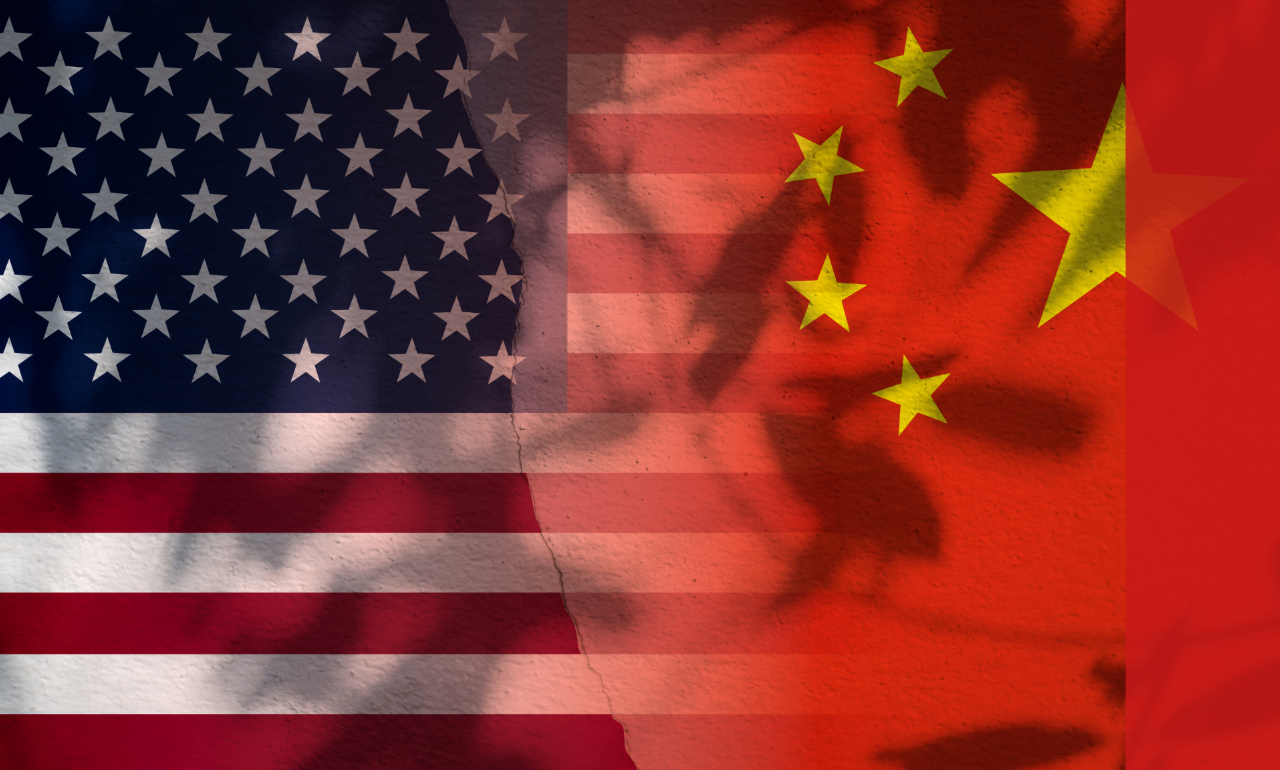
The announcement follows a series of retaliatory trade measures that have unfolded between Washington and Beijing since September. The escalation began when the U.S. Bureau of Industry and Security (BIS) updated its export-control rules and expanded its entity list targeting Chinese technology firms. In response, China introduced sweeping export restrictions under MOFCOM Notices 55–62, limiting shipments of rare-earth materials and magnet technologies used in EVs, semiconductors, and defense applications.
Citing the new Chinese export controls, Trump said the U.S. “would not allow China to weaponize its control of critical materials,” framing the 100% tariff as a leverage tool in future negotiations.
Beijing’s Response and Global Impact
China’s Ministry of Commerce condemned the planned U.S. tariff, calling it a “serious violation of fair-trade principles” and warning that Beijing “will take all necessary countermeasures” if Washington proceeds.
Chinese state media described the move as “economic coercion,” while global analysts warned that the escalation risks destabilizing already fragile supply chains for automotive, consumer electronics, and renewable-energy sectors.
Beyond immediate trade effects, the tariff announcement shows Washington’s growing determination to reduce dependency on Chinese critical materials and reassert supply-chain sovereignty. Treasury Secretary Scott Bessent described Beijing’s export controls as “an act of desperation,” adding that China “wants to pull everybody else down with them”.
Analysts suggest that, even if the tariff is used primarily as a negotiation tool, its threat alone will accelerate moves by U.S. and allied manufacturers to diversify sourcing away from China especially in the semiconductor, EV, and defense sectors.
While the White House insists the tariff will proceed unless China reverses its export restrictions, market observers remain skeptical about full implementation.
Still, the renewed trade confrontation has revived fears of a second trade war, with potential global ripple effects on inflation, industrial output, and commodity flows all of which could redefine the economic outlook heading into 2026.


