

.png)
Toyota Launches $13.9B North Carolina Battery Plant for Hybrid and EV Production
Published: 11.18.2025
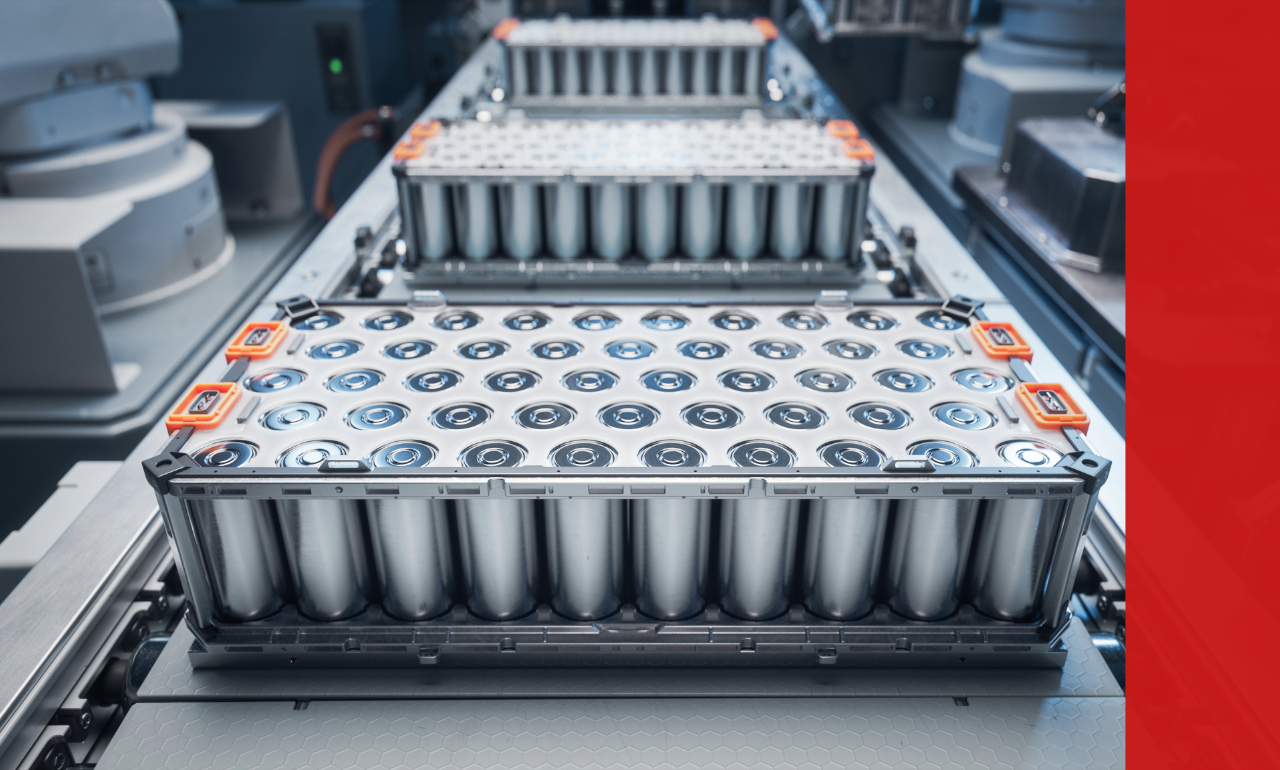
- Toyota has begun producing hybrid batteries at its $13.9B North Carolina factory, its first U.S.-based battery plant.
- The facility, Toyota Battery Manufacturing North Carolina, will eventually operate 14 lines, producing around 30 GWh of batteries per year.
- The project will create up to 5,100 jobs and includes $664M in local incentives plus education grants for workforce development.
- The plant reflects Toyota’s multi-pathway strategy, supporting hybrids, plug-in hybrids, and BEVs, while boosting local battery supply chains and supporting U.S. electrification efforts.
Toyota has officially begun producing hybrid vehicle batteries at its new $13.9 billion factory in Liberty, North Carolina, making its first battery plant in the United States and the only one outside Japan. Toyota Battery Manufacturing North Carolina sits on roughly 1,850 acres near Greensboro and is a key part of Toyota’s long-term strategy toward cleaner vehicles.
At full capacity, the factory will operate 14 battery production lines, delivering around 30 GWh of batteries per year. Initially, the focus is on hybrid vehicles, with plans to later produce plug-in hybrid and full battery-electric packs as Toyota expands its electrified lineup for the North American market. These batteries will supply popular Toyota models, including the Camry, Corolla Cross, and RAV4, with shipments going to assembly plants in Kentucky and the joint venture plant with Mazda in Alabama.
The North Carolina project has grown since its announcement in 2021, with total investment now reaching $13.9–14 billion. Toyota also confirmed plans to invest an additional $10 billion in its U.S. operations over the next five years, covering expansions and related initiatives. To secure the project, North Carolina and local counties offered $664 million in incentives tied to job creation and investment targets, while Toyota contributed $2.7 million in education grants to train a skilled local workforce.
Why Hybrids Still Matter
While many automakers push aggressively toward fully electric vehicles, Toyota continues a “multi-pathway” strategy, balancing hybrids, plug-in hybrids, and BEVs. The company argues that hybrids offer rapid emissions reductions at scale, especially in areas with limited charging infrastructure. Building hybrid batteries domestically also allows Toyota to qualify for U.S. and IRA-linked incentives, shorten supply chains for critical components, and reduce exposure to overseas logistics and geopolitical risks.
Localized battery production means shorter lead times, more predictable logistics, and less reliance on overseas suppliers. Running a 30 GWh-class facility with 14 lines will drive demand for semiconductors, power electronics, connectors, thermal materials, and battery management components.
With up to 5,100 jobs expected once the site ramps up by 2030, the plant is poised to attract suppliers, logistics providers, and other supporting services, further establishing North Carolina’s “Carolina Core” as a regional hub for battery and EV manufacturing. Despite political debates around EV incentives, Toyota’s long-term commitment signals that U.S.-based battery manufacturing and electrification strategies are here to stay.


