

.png)
Texas Instruments Starts Production at New Sherman 300mm Fab Expanding U.S. Supply for Industrial, Automotive, and Power Electronics
Published: 12.22.2025
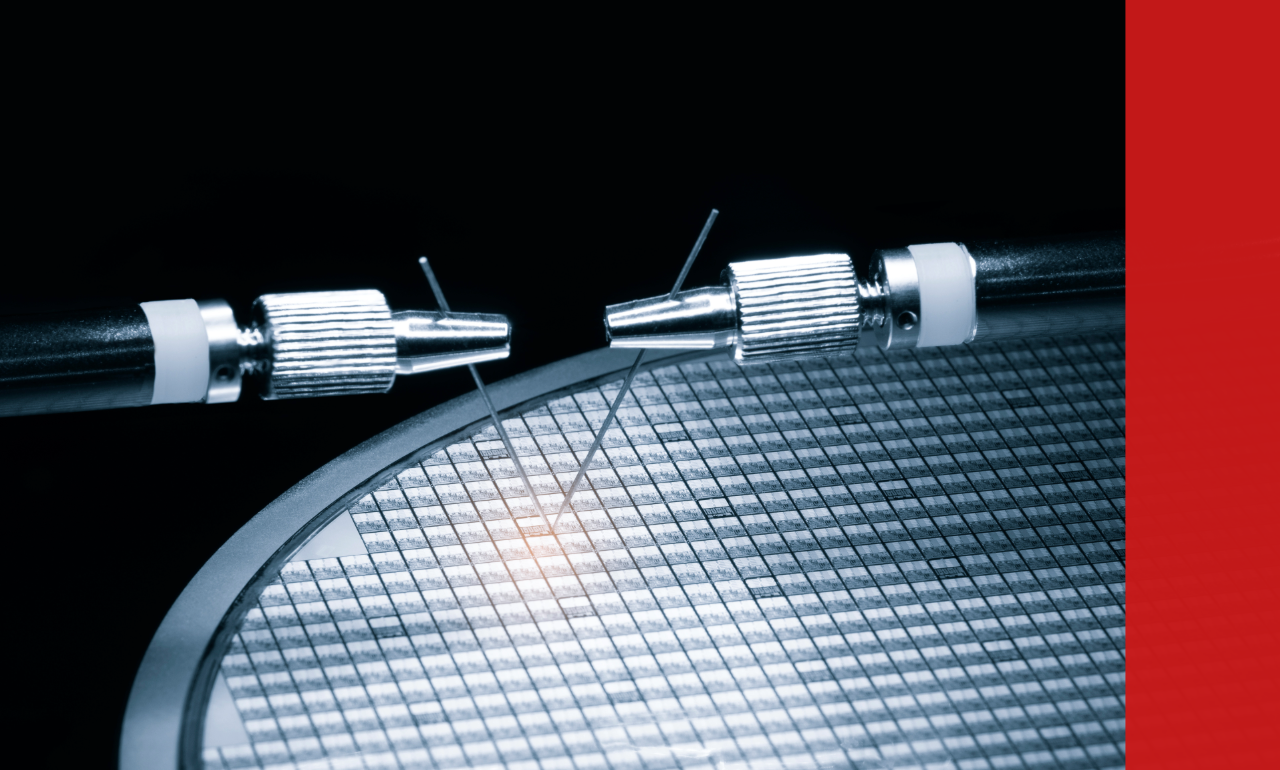
Texas Instruments has officially begun production at its newest 300mm wafer fabrication facility in Sherman, Texas expanding domestic manufacturing for analog and embedded processing semiconductors. The site expands domestic manufacturing of analog and embedded processing semiconductors, the “foundational” chips that quietly power and control electronics across the global economy.
300mm analog and embedded chip capacity that supports industrial, automotive, and power electronics
Unlike leading-edge processors, TI’s analog and embedded devices are the “everywhere” chips that keep systems running in factory automation, vehicles, power conversion, medical devices, and infrastructure electronics. TI says SM1 will ramp based on customer demand and is designed to eventually produce tens of millions of chips per day, supporting long-lifecycle products where redesigns are costly and qualification cycles are long.
TI says the campus is planned for up to four connected fabs (SM1–SM4), with up to $40 billion in total investment potential at full build-out highlighting the site’s long-term job impact, with up to 3,000 direct TI jobs expected over time as capacity expands.
Texas Governor Greg Abbott’s office similarly described the new Sherman facility as a major 300mm wafer fabrication investment expected to employ thousands of Texans, reinforcing the state’s view of the project as a long-horizon industrial anchor.
Importantly, TI has emphasized that capacity will come progressively, not all at once. For industrial, automotive, and power markets, the key takeaway is strategic: the U.S. is adding durable wafer capacity focused on high-volume, long-lifecycle semiconductors that are essential to electrification and automation but are difficult to replace quickly when supply tightens.
What this could mean for supply chains in 2026 and beyond
- Automotive electronics: More stable availability for the chips behind power management, sensing, body electronics, and in-vehicle control systems.
- Industrial and infrastructure: Improved long-run supply for factory automation and electrification projects where redesigns are costly.
- Power systems: Stronger resilience for power conversion and control components as demand rises from data centers, energy projects, and industrial expansion.


