

.png)
Nvidia's H200 Export Changes and China’s Move Toward Local AI Chips
Published: 12.11.2025
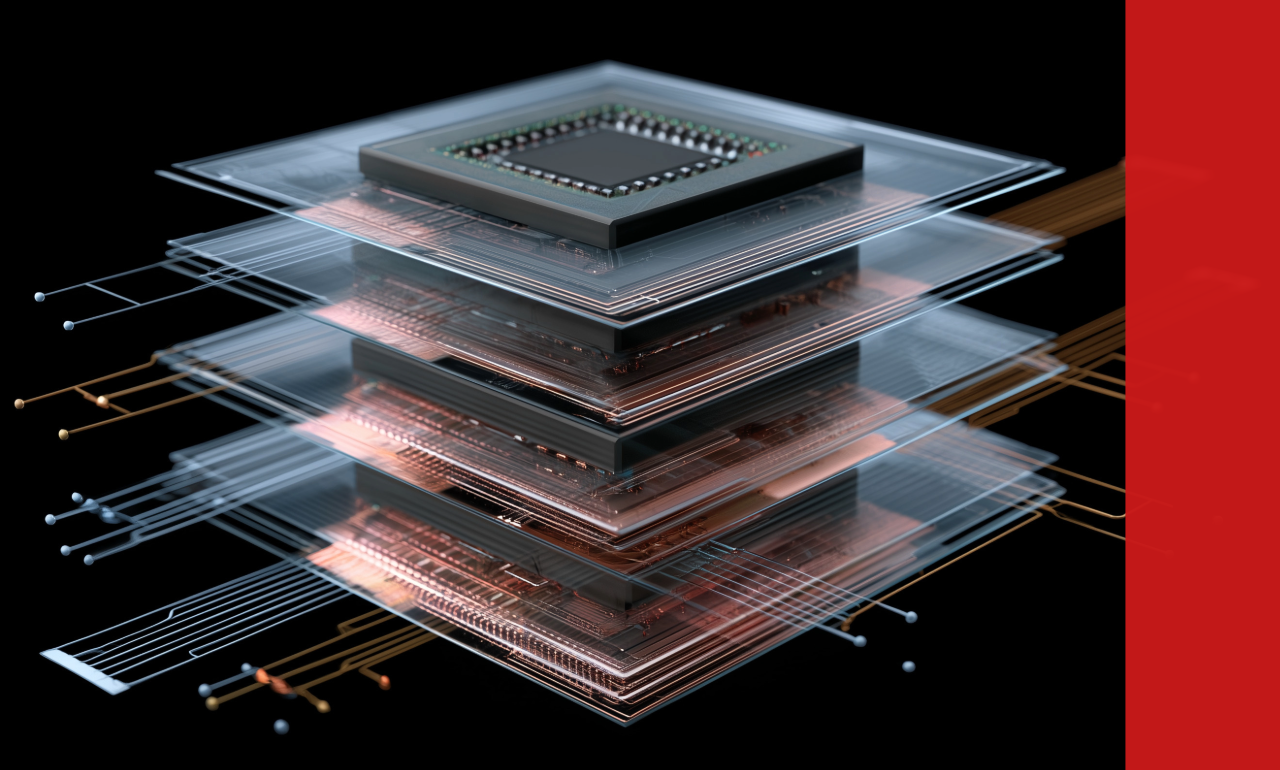
The global race for AI hardware took an unexpected turn this week. In Washington, regulators cracked open a channel for Nvidia, as the the company to export its H200 AI chips to approved customers in China as long as every chip passes through U.S. inspection and hand over 25% of its China-related H200 revenue to the American government.
On the other side, Beijing are discouraging new Nvidia purchases and steering government and state-linked buyers toward local AI accelerators, even as the U.S. loosens restrictions.
Washington’s Controlled Opening
The U.S. decision centers on the H200, Nvidia’s Hopper-generation chip that sits just below its cutting-edge Blackwell and Rubin processors that’s powerful enough to train and run large AI models that automatically flags it as a commodity that must pass through tightly managed channels.
The approval offers a potential revival of Nvidia’s once-lucrative China data-center business, which had been sharply reduced by earlier restrictions. The U.S. government established a new category of “controlled-access hardware” chips that China can use only under U.S. supervision, and only through a framework designed to maintain strategic advantage. Officials have even suggested that AMD and Intel could eventually operate under a similar model.
China, however, is determined to make sure this narrow opening does not evolve into renewed reliance on foreign silicon.
Beijing has added domestic AI processors from companies like Huawei and Cambricon to official government procurement lists for the first time, effectively instructing public-sector buyers to prioritize local accelerators over imported GPUs. And well before Washington approved the H200, regulators had already urged major cloud and internet companies to pause new Nvidia purchases and evaluate homegrown alternatives instead.
Demand Pressures and a Narrow Channel
Despite the political choreography, demand inside China is unmistakable. Companies like ByteDance and Alibaba are reportedly preparing sizable H200 orders, waiting only for clarity from Beijing.
Yet this renewed access comes at a time when smuggling cases: route diversions, dismantled servers, third-country transshipments, are drawing more attention. Nvidia is responding by adding new location-verification tools to its newest chips, turning compliance into an invisible but essential layer of the hardware itself.


