

.png)
Japanese Electronics Firms Signal Expanded Manufacturing Push in the Philippines
Published: 6.2.2026
Key Takeaways
- Japanese companies are signaling stronger electronics and semiconductor-related investments in the Philippines, with projects linked to semiconductor back-end manufacturing, flexible printed circuits, SMT assembly, and thermal management.
- MinebeaMitsumi, Sumitomo Electric, and Furukawa Electric are among the companies connected to Philippine expansion plans in advanced electronics, precision manufacturing, AI-related technologies, and data center infrastructure.
- These developments support the Philippines’ growing role in Southeast Asia’s supply chain for semiconductors, electric vehicles, telecommunications, AI infrastructure, and high-reliability electronics.
Japanese electronics companies including MinebeaMitsumi, Sumitomo Electric Industries, and Furukawa Electric are signaling new and expanded investments in the Philippines in moves tied to semiconductor-related manufacturing, automotive electronics, and data center infrastructure.
The developments come as global supply chains for semiconductors and advanced electronics continue to diversify amid rising demand from artificial intelligence, electric vehicles, and telecommunications systems.
Philippine officials said the investment pipeline, discussed during President Ferdinand Marcos Jr.’s visit to Japan, covers about $960 million in potential projects across shipbuilding, electronics manufacturing, semiconductor production, and related technologies.
The electronics-related plans include expansion of semiconductor back-end production, flexible printed circuit manufacturing, surface mount technology assembly, and thermal management components used in data centers.
MinebeaMitsumi is among the companies linked to the investment discussions. The Japanese precision components maker already operates long-standing facilities in Cebu and is expanding semiconductor back-end capacity through a new facility aimed at increasing thin-package production.
The company previously said the Cebu expansion includes new cleanroom space and is expected to significantly increase back-end semiconductor output from 2027.
Semiconductor back-end processes such as assembly, packaging, and testing are becoming more important as global chip demand increases and manufacturers seek to reduce supply chain bottlenecks outside wafer fabrication.
Sumitomo Electric Industries, through its Philippine unit First Sumiden Circuits, is also planning an expansion in Laguna province, according to government statements.
The project involves flexible printed circuit and surface mount technology production, which are used in compact electronic systems including automotive electronics, mobile devices, and telecommunications equipment.
Flexible printed circuits are widely used in products where space and weight constraints require bendable, high-density interconnects.
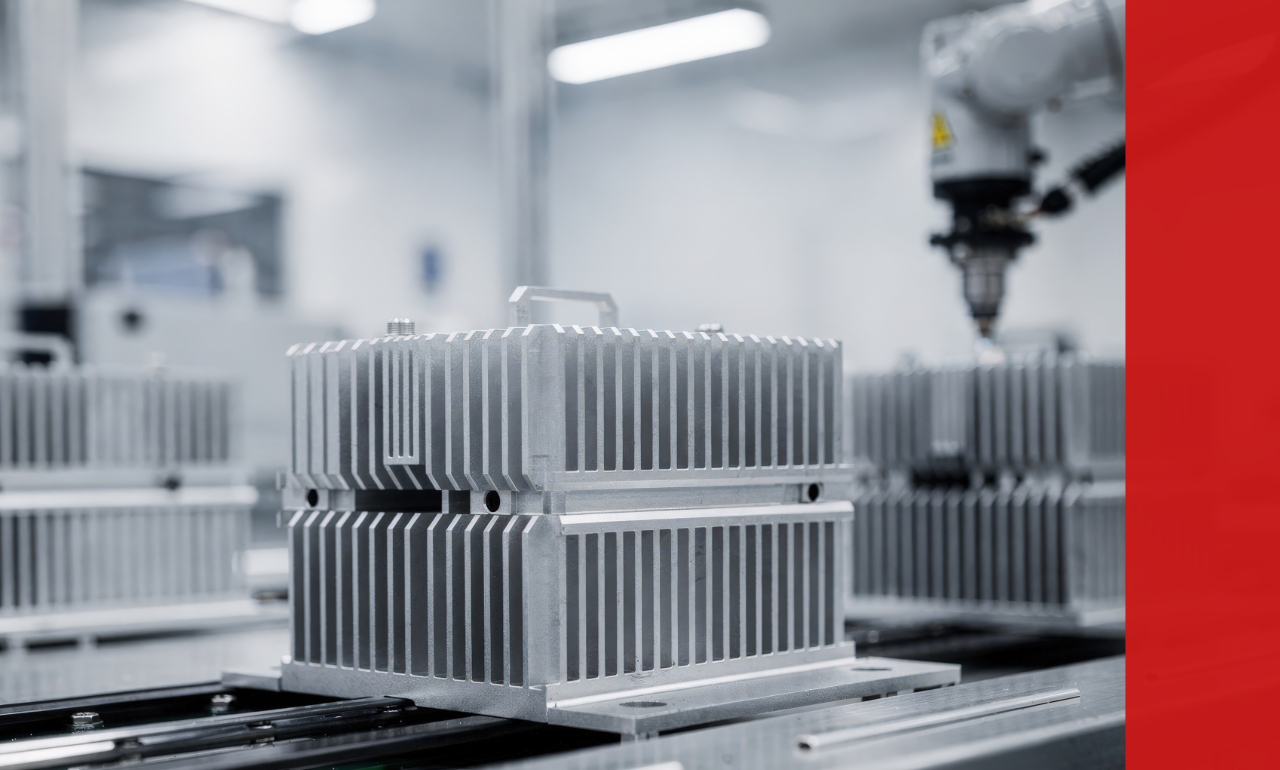
Separately, Furukawa Electric is expanding production related to data center cooling systems, including heat sinks and liquid cooling modules used in high-performance computing environments.
The company has said the products support thermal management for CPUs and GPUs used in data centers, where power density has increased sharply due to artificial intelligence workloads.
Thermal management components are becoming a growing segment of the electronics supply chain as data centers require more advanced cooling systems to maintain performance and reliability.
The Philippines has positioned itself as a regional hub for electronics manufacturing, with established capabilities in semiconductor assembly, printed circuit board production, and component manufacturing.
The latest Japanese investment signals add to ongoing efforts to expand the country’s role in higher-value electronics production, particularly in Southeast Asia’s growing technology supply chain.
Industry observers say the shift reflects broader changes in global electronics manufacturing, where companies are increasing production capacity outside traditional hubs to improve resilience and reduce supply chain risk.
For now, most of the announced projects remain in expansion or planning stages, with production increases expected over the next several years rather than immediately affecting global supply conditions.
However, the investments highlight growing demand for semiconductor-related components beyond chips themselves, including packaging, interconnects, flexible circuits, and cooling systems.


