

.png)
China Approved Nvidia H200 Purchases — So Why Are Shipments Stalled?
Published: 2.9.2026
Key Takeaways
- For Nvidia H200 and comparable AI accelerators, purchase orders alone do not secure supply. Export licensing outcomes directly influence shipment timing, allocation, and contract certainty.
- Advanced AI hardware planning must factor in regulatory review cycles alongside fabrication, packaging, and logistics timelines. Ignoring policy latency can distort delivery forecasts.
- Compute uncertainty cascades across the BOM with accelerator availability left unclear. Rack builds, high-speed networking, storage, power modules, and thermal components are affected and procurement strategies must account for potential stop-start deployment cycles.
For a moment in late January, it looked like a key barrier to China’s access to Nvidia’s H200 AI accelerators had eased. Reports indicated Chinese regulators had approved major domestic firms (including ByteDance, Alibaba, and Tencent) to move forward with large H200 purchases.
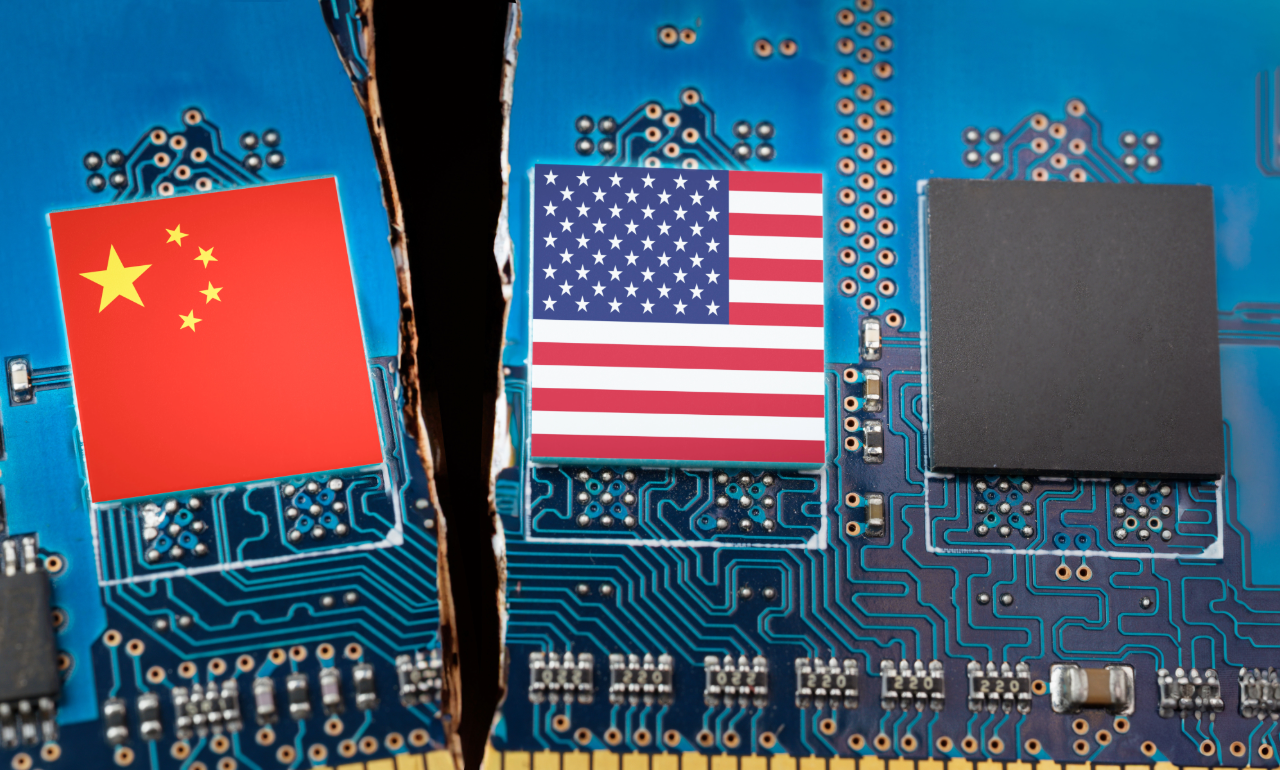
Days later, another headline pulled the story in the opposite direction with reports in early February said China-bound H200 shipments were still effectively stalled by U.S. export licensing, specifically a national-security review still moving through Washington.
The reality is that AI accelerators are no longer treated like normal commercial hardware and are increasingly treated like strategic infrastructure, and the supply chain only moves when multiple regulatory gates open often on different timelines.
Two Keys to the Vault, One Fragile Pipeline
The clearest way to understand this update is to stop thinking in terms of “orders” and start thinking in terms of “permissions.”
For H200-class accelerators, two separate governments must say yes and they don’t coordinate timing.
Gate 1: China import / purchase approval
On the China side, regulators reportedly signaled that select tech giants can proceed with procurement planning. Strategically, that fits Beijing’s balancing act: accelerate near-term AI deployment while still pushing long-term self-sufficiency.
But this approval mostly clears the demand side of the equation, who can buy and bring systems into country.
Gate 2: U.S. export license / national-security review
On the U.S. side, Nvidia still needs authorization to export those chips. In January, the U.S. Commerce Department shifted H200 and comparable accelerators away from a “presumption of denial” posture into a case-by-case review framework, sparking optimism that exports could resume.
However, “case-by-case” doesn’t mean “automatic”, each major transaction can be slowed, conditioned, or blocked depending on national-security concerns and interagency review dynamics.
That’s why Chinese buyers are reportedly hesitant to place binding orders without clarity on:
- whether licenses will be approved
- what usage restrictions may apply
- what compliance, reporting, or audit obligations come with approval
From their perspective, committing hundreds of billions without those answers introduces unacceptable risk. So while China may have opened the door to buy, the export side of the pipeline can still operate at a regulatory drip.
The Timeline that Explains the Whiplash
- Dec 8, 2025: U.S. messaging suggests H200-class products could be shipped to approved customers in China under national-security framing.
- Jan 13–15, 2026: BIS formally updates the approach, H200 and equivalents move to case-by-case licensing, with conditions that can include security procedures and independent third-party testing in the U.S.
- Jan 27, 2026: Reporting indicates China approved major buyers to proceed with large H200 purchases (400,000 units).
- Feb 3, 2026: FT reporting says a U.S. national-security review is still holding up Nvidia’s China sales, and customers are pausing orders until final terms are clear.
Regulatory Throughput Is Now Part of Lead Time
In traditional hardware planning, lead times are driven by fab capacity, packaging, test, and logistics. For AI accelerators in 2026, regulatory throughput is just as important as manufacturing throughput.
When export licenses are unsettled:
1) Orders don’t convert
Even motivated buyers may delay binding purchase orders if they don’t know whether shipments will be approved or what conditions will be attached.
2) Production planning becomes cautious
If demand is waiting on license clarity, upstream planning (systems integration, rack-level configuration, delivery schedules) becomes harder to lock. That uncertainty can trigger stop-start behavior: cautious builds, delayed commitments, and shifting allocations.
3) The “compute anchor” effect slows everything around it
AI accelerators aren’t standalone parts. They’re the anchor of a full stack: servers, networking, storage, power delivery, and thermal systems. If the compute node isn’t guaranteed, adjacent infrastructure planning can slip into pause mode.
The Ripple Effect Extends Beyond China
The immediate exposure sits with Chinese hyperscalers and AI labs facing deployment timing risk. Nvidia and its OEM ecosystem face revenue timing sensitivity and forecasting variability tied to license outcomes. But the implications extend further.
When demand in a major region becomes intermittently gated by export policy, allocation strategies shift. Inventory positioning adjusts. Global availability patterns can change even for customers outside the restricted geography. AI hardware no longer behaves like commodity semiconductors responding purely to market forces. It behaves like strategic capacity constrained by policy valves.
The Larger Shift
It is that AI accelerators have crossed a threshold as the are now treated less like high-end GPUs and more like sovereign infrastructure assets. As a result, they move through national-security filters before they move through loading docks.
In 2026, lead time does not begin at the fab, it begins at the export desk. Until both governments turn their keys at the same time, shipments remain a function of policy,not purchase orders.


